
How to Fuel and Prepare for a 10km Running Race
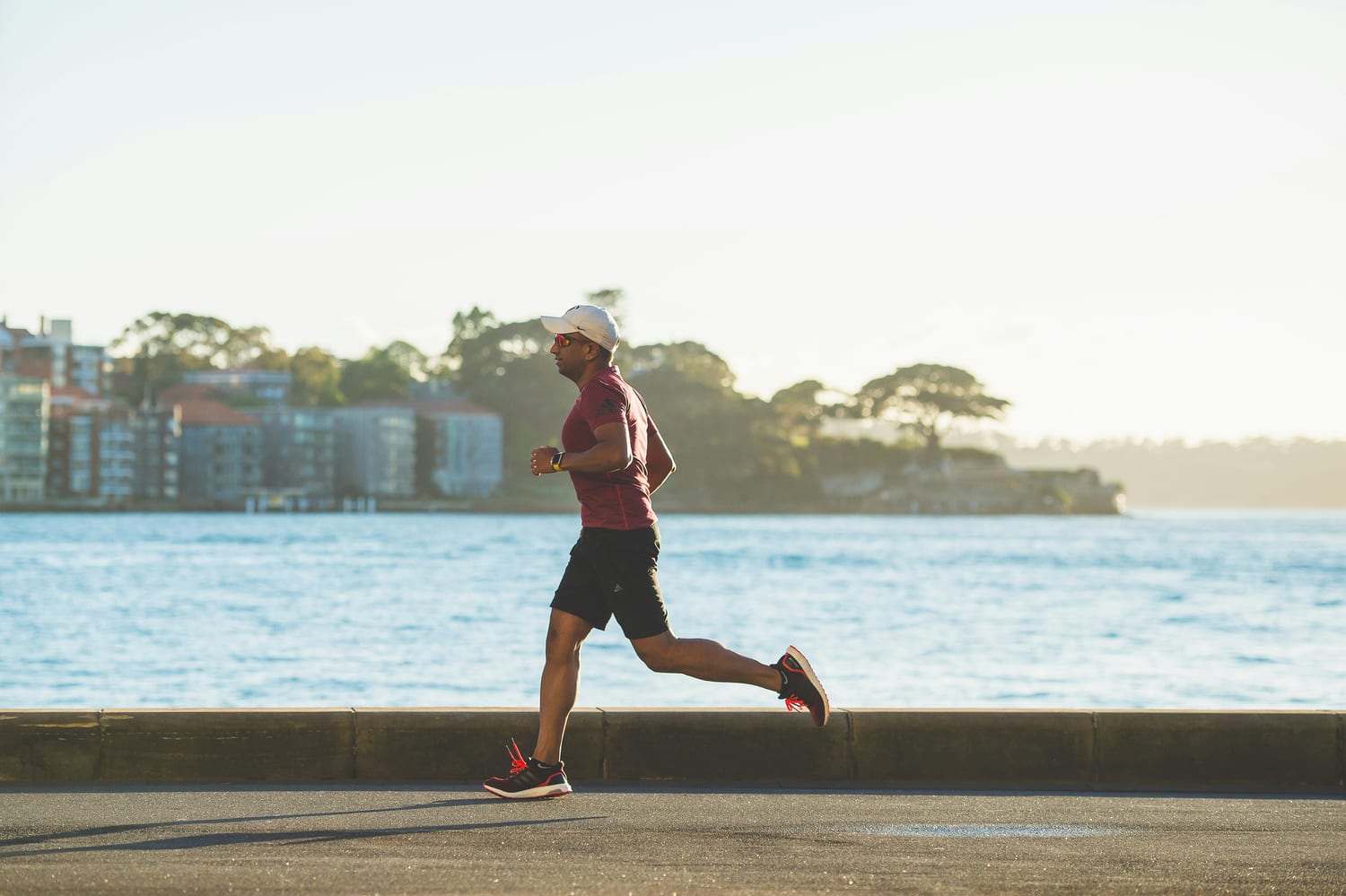
Whether you’re running for a personal best or simply looking to cross the finish line feeling strong, nutrition can make a difference in your 10km. For those preparing for the Ottawa Army Run this September, the good news is that fuelling for a 10km doesn’t need to be complicated.
Here is what to do in the weeks before, the night before, race morning, on course and after the finish.
1. Fuel Your Training First
Race day nutrition starts weeks out. Carbohydrate is your primary fuel during endurance exercise, and muscle and liver glycogen are the reserve you draw on every time you run. Eating enough carbohydrate consistently through training keeps those stores topped up and supports both performance and recovery
Protein matters too. General recommendations for endurance athletes sit around 1.2 to 2.0 g per kg of body weight per day, depending on training demands and individual needs.
Ifyou are chronically under-fuelled in training, no race day plan will fix it. This is the foundation for your 10k race.
2. The Night Before
Most 10K runners do not need to carb-load the way a marathoner would. Instead, aim for a carbohydrate-rich dinner with a moderate portion of lean protein. Think pasta with chicken, rice with tofu, or potatoes with fish.
If you are prone to GI discomfort, ease off very high-fibre, greasy or high-fat foods. Do not experiment. No new foods, no new supplements, no alcohol are recommended. GI issues are common among endurance runners, and what works for one runner can wreck another's race.
The best race day strategy is the one you have already tested in training.
3. Race Morning: Carbs, Timing, Fluids
Aim to eat roughly 2 to 3 hours before, so plan breakfast for around 5:45 to 6:45 am if your race starts around 8:45 am.
Prioritize carbohydrate and keep it easy to digest:
Oatmeal with banana
A bagel with jam
Toast with honey and fruit
You do not need a big breakfast. The goal is readily available carbohydrates without feeling overly full.
Hydration is just as important. The ACSM/AND/DC joint position statement recommends to drink about 5 to 10 mL per kg of body weight in the 2-4 hours hours before exercise. For a 70 kg runner, that first amount is roughly 350 to 700 mL, about one large glass or a standard water bottle. If it's a hot day, or if you are a heavy sweater, you may need to be closer to the upper end of that range.
Ottawa in September is likely to have conditions that are cooler than a summer race, but runners should still arrive hydrated without over drinking.
4. During the Race
During the 10km, most runners do not need a complicated fuelling strategy. A recreational 10km commonly takes around 50-70 minutes, meaning many runners can complete the race using the carbohydrate they consumed before starting plus their stored glycogen, with no need for gels or food during the actual race.
If your effort runs closer to 60 - 90 minutes or beyond, carbohydrate during the race becomes increasingly useful. If you plan to use a gel or sports drink, practice it in training first.
Same principle for fluids: drink to your needs. The goal is to avoid a large fluid deficit without drinking more than you sweat. The Army Run course has aid stations roughly every 2 to 3 km with water and electrolytes, so the option is there if you want it.
5. Recovering After
Once you cross the line, shift to recovery. Three jobs:
Replace the carbohydrate you used
Provide protein for muscle repair
Replenish fluids
A balanced meal or snack with carbohydrate and approximately 20 to 40 g of protein, plus fluids, is a practical target. Some options:
Greek yogurt with granola and fruit
Eggs and toast
A smoothie with milk and fruit
A chicken and rice bowl
The finish area provides water and snacks. Use them as a bridge to a proper meal, not a replacement for one.
The Takeaway
Ultimately, the best nutrition plan for the Ottawa Army Run is not the most complicated one, it is the one you have practiced, that supports your training, and that allows you to arrive at the starting line fuelled, hydrated and comfortable.
References
Sawka, M. N., Burke, L. M., Eichner, E. R., Maughan, R. J., Montain, S. J., & Stachenfeld, N. S. (2007). American College of Sports Medicine position stand: Exercise and fluid replacement. Medicine & Science in Sports & Exercise, 39(2), 377–390. https://doi.org/10.1249/mss.0b013e31802ca597
Thomas, D. T., Erdman, K. A., & Burke, L. M. (2016). Position of the Academy of Nutrition and Dietetics, Dietitians of Canada, and the American College of Sports Medicine: Nutrition and athletic performance. Journal of the Academy of Nutrition and Dietetics, 116(3), 501–528. https://doi.org/10.1016/j.jand.2015.12.006